Fundamentals, drilled properly
Top rock, six-step patterns, freezes and the entry into power moves. You leave with a clear sense of what each element is for, not just how it looks.
Classes, crew training and b-boy culture
From your first message to standing in the circle, here is the path. No hidden steps, no pressure to be ready before you are.
Write to us and mention your age group, whether you have danced before, and what you want to work on. A first six-step and a windmill need different starting points, so this shapes the recommendation.
We point you toward the workshop that fits: kids, teens or adults, beginner through advanced. You will hear what the session covers, which surface you will train on, and what to bring.
Arrive with time to prepare your ankles, knees and wrists before any floor contact. Concrete and marley ask different things of your body, and the warm-up changes with the surface.
Sessions work through top rock, footwork, freezes and power moves, with technique breakdowns that match your level. Expect drills, corrections and time to repeat things until they stop feeling foreign.
Open practice nights and local battle showcases are where the work gets tested. You learn how to enter, hold space and step out, and how to support the dancers around you.
Cool down, note what felt off, and bring it to the next session. Recovery is part of the training, not a break from it.
Want the full picture before you commit? See how we work or compare workshop formats.
Workshops at Breakdance Club are built around the elements you will use in a real cypher: top rock, footwork, freezes and power moves. Sessions run for kids, teens and adults, and the room trains on concrete and marley, so preparation and recovery are part of the work, not an afterthought.
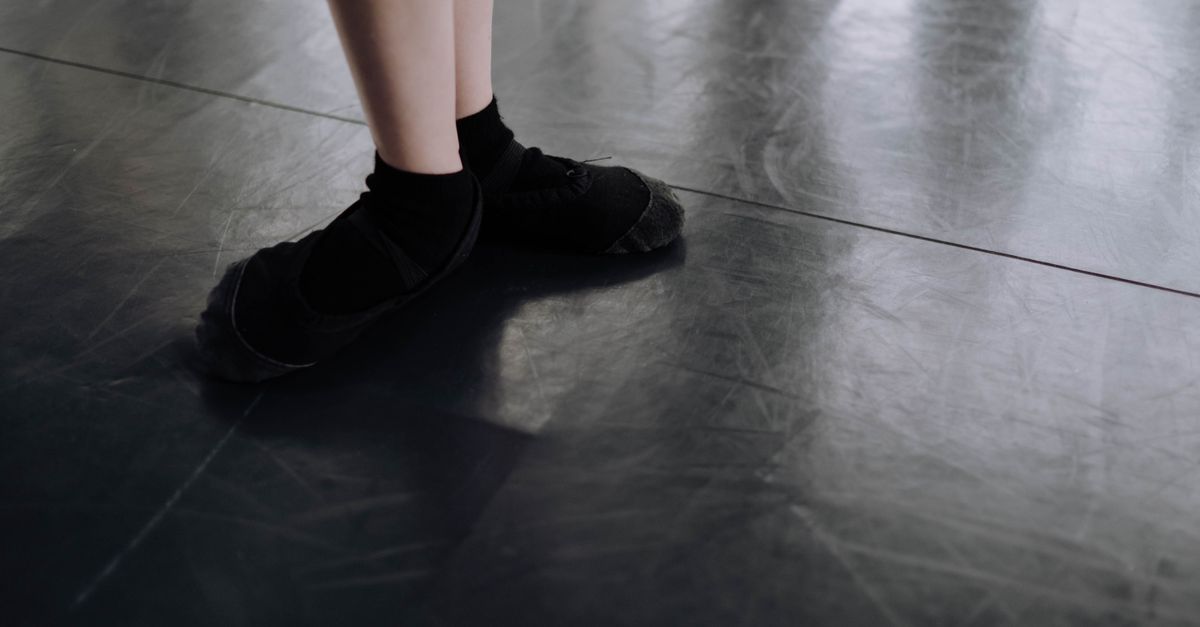
Not sure where to start? Look at how a first session is structured on the process page, or reach the team directly through contact.
Top rock, six-step patterns, freezes and the entry into power moves. You leave with a clear sense of what each element is for, not just how it looks.
How to enter a circle, hold your space, read the music and step out cleanly. Etiquette is taught alongside the moves, because both matter in the room.
Concrete and marley behave differently under your wrists and knees. Warm-up and cool-down routines change depending on where the session is held.
Practical notes on sneakers, knee pads and wrist care, plus what to do after a hard session so the next one does not start from zero.
Breaking sits inside hip hop culture, and the workshops treat it that way. You get the context behind the records, the breaks and the traditions that shape how the dance is judged and shared.
Every workshop at Breakdance Club runs on the same idea: you learn the element, then you drill it until it holds up in a cypher. Pick the format that matches where you are right now, from your first six-step to cleaning up a windmill.
Top rock, footwork and the first freezes, broken down slowly and repeated until the rhythm sits in your body. Built for dancers who have never dropped to the floor before.
For dancers who already move on the floor and want to load the harder elements without wrecking their wrists and knees. Load is built up in stages, not thrown at you on day one.
Practice for the circle, not the mirror. We work on entering, holding space, reading the music and stepping out so the next dancer gets their turn.
Sessions run for kids, teens and adults, and training surfaces include concrete and marley floors, so warm-ups and safer training habits are part of every workshop. Curious how a first session looks? Start from the main page.
A few terms get used loosely when people talk about breaking workshops, so here is the plain version. This page explains how our sessions are structured and what we mean by fundamentals, surfaces and preparation. It is not a schedule, a crew roster or a jam listing.
When we say fundamentals, we mean top rock, footwork, freezes and power moves. Not a single trick, not a shortcut to a windmill. Each element gets its own attention, and beginners start standing before they go to the floor.
Kids, teens and adults train in separate groups. Within a group, dancers range from first six-step to sharpening power moves. We do not publish class times on this page, and we do not sort people into fixed levels before they arrive.
Concrete and marley behave differently underfoot, and so does cardboard. Warm-ups and safer training habits are part of every workshop because the surface you train on decides how much your wrists, knees and ankles absorb.
Battle preparation, cypher etiquette and music history sit alongside the physical work. Knowing how to enter a circle, hold space and step out is treated as part of the training, not as background reading.
We talk about sneakers, knee pads and warm-ups in terms of grip, cushioning and trade-offs. There is no single correct shoe, and we do not recommend brands or claim one setup works for everyone.
No class schedule times, no crew profiles, no jam calendar and no editorial hub overview. Those live elsewhere on the site. Open practice nights and local battle showcases are part of the offering, but their dates are not listed here.
If a term still feels unclear, ask before you train. It is easier to correct a misunderstanding in the first session than to unlearn a habit six months in.