Beginner technique sessions
Top rock, footwork, freezes and power moves broken into pieces you can repeat. The point is a foundation you can return to when a move stops working.
Classes, crew training and b-boy culture
Sessions are grouped by age and by what you want to work on, not by a tier you buy into. Kids, teens and adults each get their own room rhythm, and open practice nights sit alongside the regular classes so you can keep drilling between them.
Beginner technique sessions cover top rock, footwork, freezes and the early power moves. Intermediate drills lean toward battle preparation. Cypher-focused practice is where etiquette and improvisation get worked out, and recovery-oriented sessions stay on warm-ups, knee pads and sneakers.
Tell us your age group, what you have trained before and which format you are eyeing. A short message is enough. There is no booking system and no account to create, just a plain note that reaches the people running the sessions.
You will hear back about which class or open practice night lines up with your level and schedule. If you are between two formats, that gets sorted out here rather than after you show up.
Flat-soled sneakers, knee pads if you are working freezes, and a water bottle. Floors vary between concrete and marley, so the gear guides on the site are worth a read before your first session.
Regular sessions build the vocabulary. Open practice nights and local battle showcases are where it gets tested, with cyphers running the way they do in the culture: enter, hold your space, step out for the next dancer.
Warm-ups shift depending on the surface under you, and cool-downs matter more after a hard session. The recovery-oriented format exists so the next training day does not start from a deficit.
Not sure which format fits? Send a note through the contact page, or read the process page to see how a first block of training is usually laid out.
Sessions at Breakdance Club are built around formats, not tiers. Kids, teens and adults train in separate groups, and every format has a clear job: build a foundation, sharpen battle readiness, work inside a cypher, or take care of the body that carries all of it. Surfaces vary between concrete and marley, so the work adapts to what is under your feet.
Not sure which format fits where you are right now? Send a regular inquiry through the contact page and describe how you train today.
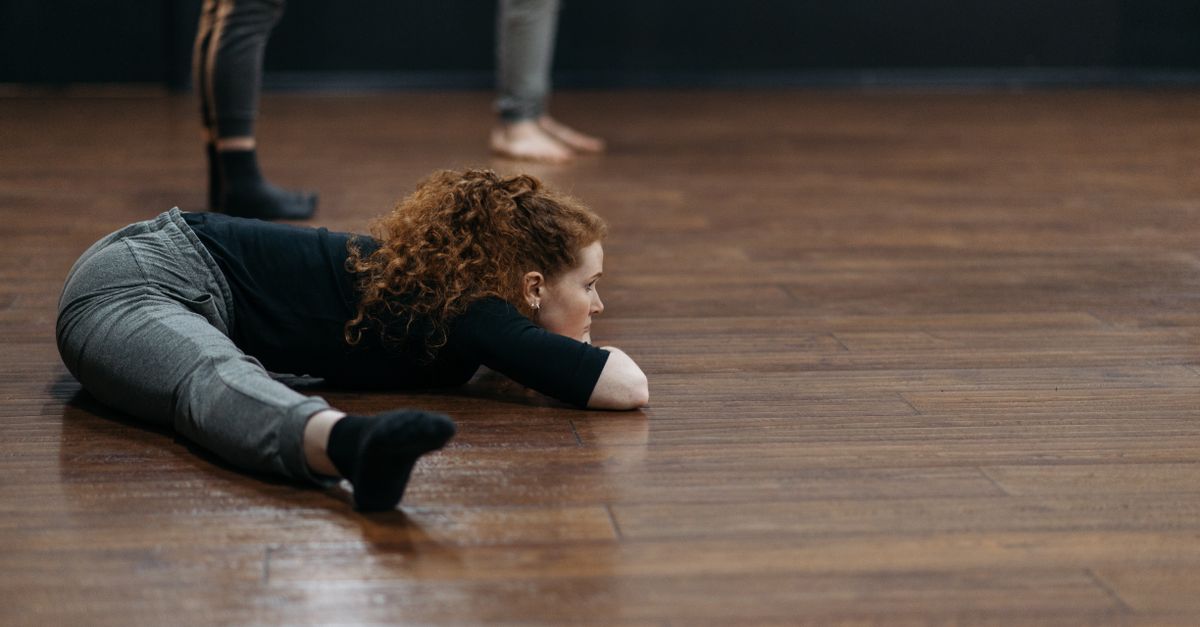
Top rock, footwork, freezes and power moves broken into pieces you can repeat. The point is a foundation you can return to when a move stops working.
Sets, rounds and transitions built for battle preparation. You learn to hold a beat under pressure instead of only landing a move in practice.
Entering, holding space and stepping out. Etiquette and improvisation get the same attention as technique, because the circle is where the dance lives.
Unstructured floor time for dancers who already have material to run. Bring your own focus, share the space, work on what your last session exposed.
Warm-ups, cool-downs and joint prep for wrists, knees and ankles. Gear talk covers knee pads and sneakers so hard floors do not take the toll.
A stage for crews and solo dancers from the community. Watching rounds closely is part of the training, not a break from it.
Curious how a first session is structured? The process page walks through it step by step.
Every format on this page follows the same working rhythm: we agree on what the session covers, check the details before anyone steps on the floor, mark the stages as they happen, adjust when the group needs it, and hand over what was actually worked on. No certificates, no promised outcomes, no guarantees about progress.
Before a block starts, we settle which format fits: beginner technique work on top rock, footwork, freezes and power moves, intermediate battle prep drills, cypher-focused practice, or a recovery-oriented session. Kids, teens and adults get different pacing, and the group size shapes how much individual correction is realistic.
Concrete and marley behave differently under a freeze, a windmill or a slide, so the floor is checked before warm-ups. Mats, knee pads and the shoes people brought all get looked at, because a thick cushioned sole on a smooth surface changes how footwork feels and how the knees take impact.
Each session is broken into named parts: warm-up, standing work, floor work, and a closing pass. Instructors note where the group actually got to, so the next session picks up from there instead of restarting. If a drill gets skipped, it is recorded as skipped.
Plans change. A wrist that feels off during freeze progressions, a group that moves faster through six-step variations than expected, a cypher that needs more time for etiquette and entering the circle. Corrections are made in the moment and written down, not saved for a later review.
At the end of a block, dancers leave with a plain account of what was covered, which elements were drilled, and what still needs work. That is the handover. It is a record of training, not a certification, and it does not stand in for a credential from any federation or judging body.
No guaranteed progress, no reserved spots, no promised response times. Open practice nights and local battle showcases are part of the offering, but attending one is not a qualification. If you want to ask about a format, send a regular inquiry through the contact page.
Case note
This is an illustrative scenario, not a named client story. It describes how a small breaking crew might restructure its week around the session formats offered on this page: beginner technique work, intermediate battle drills, cypher practice and recovery-focused sessions. No results, timelines or outcomes are claimed.
At a glance
A neighborhood crew had been meeting whenever people were free, which meant the same three dancers carried most sessions while newcomers drifted. Kids, teens and adults were training in the same session, and the warm-up was whatever the first person felt like doing. The floor situation was mixed: part of the week on a hard concrete surface, part on marley.
Give each session a clear purpose so that top rock, footwork, freezes and power moves all get real attention, while battle preparation and cypher etiquette stop being an afterthought. The crew also wanted a mobility-focused session that addressed warm-ups, knee pads and sneakers, since the surfaces they train on ask different things of ankles, knees and wrists.
The week was reorganized around intent. One session focused on beginner technique, breaking down top rock, footwork and freezes at a pace that let newer dancers repeat the basics without pressure. A second session handled intermediate drills aimed at battle preparation: entries, exits and holding a beat under fatigue. A third was cypher-focused, where the goal was etiquette and improvisation rather than new moves. A shorter recovery session closed the week, covering warm-ups adapted to concrete versus marley, plus gear notes on knee pads and sneakers.
Kids and teens kept their own sessions, and adults joined the open practice nights. Nothing here is presented as a proven method; it is one way a crew might organize the formats described on this page.
Splitting the week by training intent, rather than by level alone, gave each element of breaking its own space. If you want to talk through how these session formats could fit your own crew or your own training, reach out through the contact page with a regular inquiry.