What you can actually train here
Breakdance Club is a community-driven training space and editorial hub. Sessions run for kids, teens and adults, and the work covers breaking fundamentals, battle preparation, cypher etiquette, music history and safer training habits for dancers on concrete or marley floors. Below is how the practice is organized, so you can pick the entry point that matches where you are right now.

-
Fundamentals: top rock, footwork, freezes
For dancers building a base. Standing work first, then six-step patterns, then the freeze progressions that load your wrists and shoulders. Best if you want clean posture and rhythm before chasing speed.
-
Power moves and battle preparation
For dancers who already move on the floor and want to sharpen windmills, swipes and transitions. Includes how to structure a round, read the music and hold your own in a battle without losing form.
-
Cypher etiquette and culture
How to enter a circle, acknowledge the dancer before you, hold space and step out. Paired with music history so the moves stay connected to where they come from.
-
Training care: warm-ups, floors, recovery
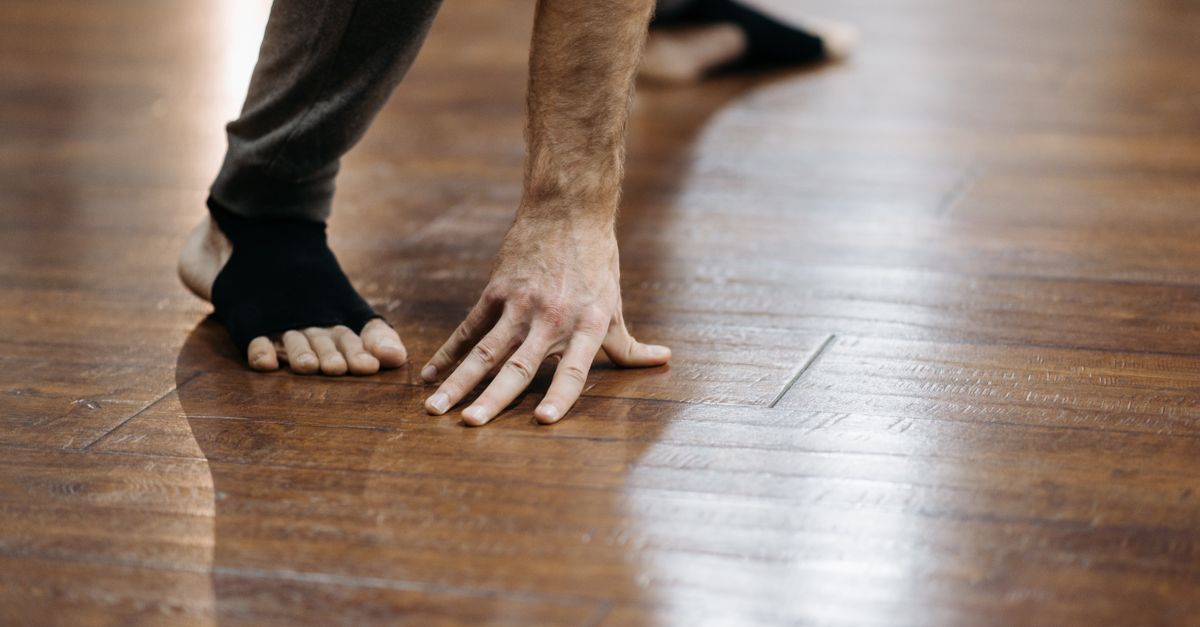
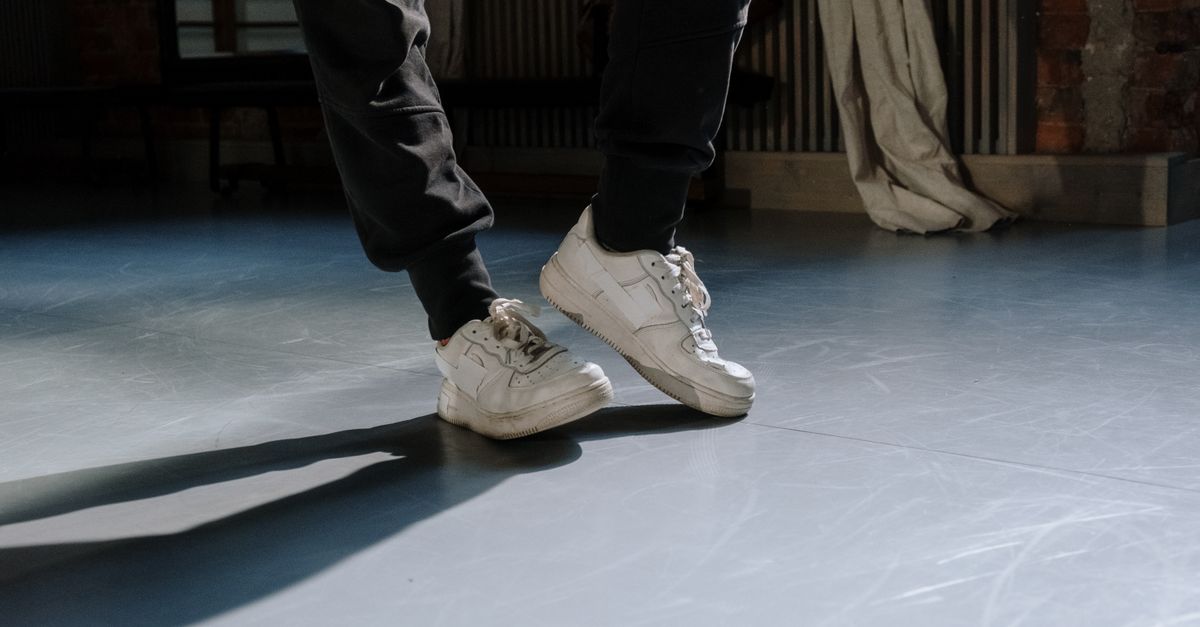
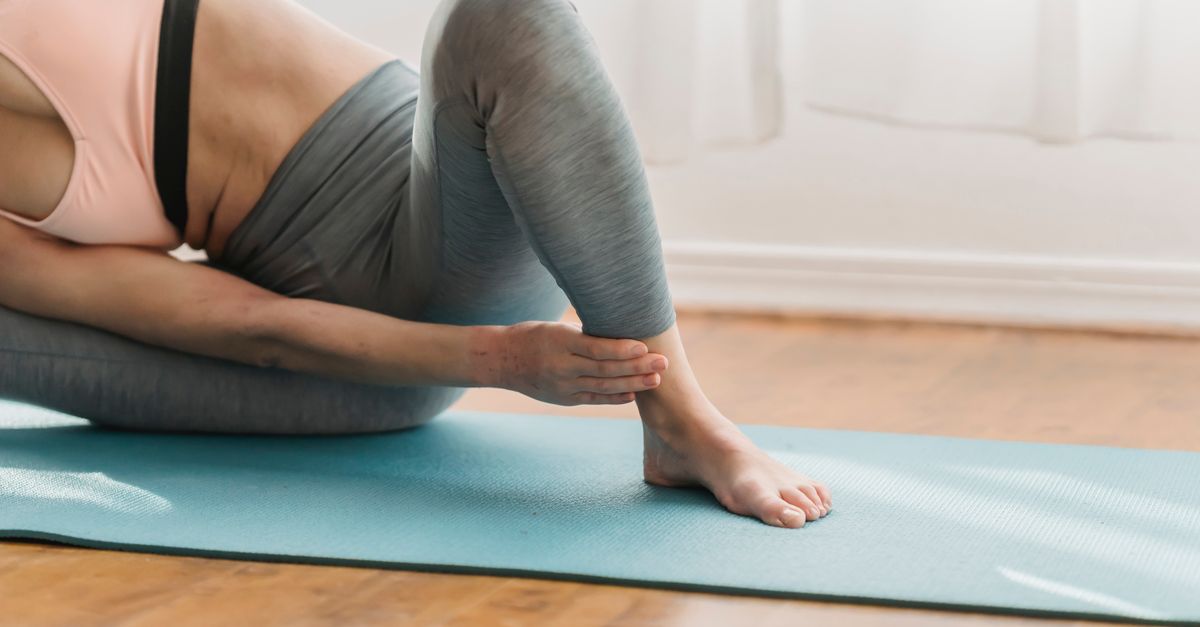
Concrete, marley and cardboard ask different things of your body. Practical guidance on warm-ups, wrist and knee prep, sneaker trade-offs and cool-down routines for sustainable training.
-
Open practice nights and local showcases
Shared floor time for crews and solo dancers, plus local battle showcases. Come to train, watch or jump into a cypher with people who actually dance.
Not sure where to start? See how a first training block is structured on the process page, or check the available plans for session formats.